Deciding how to introduce intimate accessories for the first time shouldn't be based only on a photo or by choosing the option with the most features. A good purchase begins with understanding what you want, which differences matter and what information on the product page lets you compare objectively.
In this El Arte del Placer guide we bring together practical criteria to guide you through First Steps. We do not replace the manufacturer's instructions or attribute properties that are not documented: the aim is to help you decide with more context, comfort and realistic expectations.
Before you start: define what you're looking for
Before opening ten product pages at once, clarify the purpose of the purchase. Think about who will use the product, whether you want simplicity or more adjustment options, how important size, storage or discretion are, and what budget is reasonable for you. That short list prevents you comparing items that actually meet different needs.
This category groups products with different features and uses, so it's worth comparing the specific information on each product page. Previous experience also matters: someone just starting out will usually benefit from an intuitive, easy-to-maintain option, while someone with clear preferences may focus on more specific details. Neither approach is better; they simply stem from different needs.
First define what you need
Start with intended use, format and the level of simplicity you're after, then narrow choices using filters and subcategories. The characteristics that really matter in the decision depend on the category. Some product pages will highlight materials and measurements; others, size, colour, battery life, intensity, format or package contents. Avoid assuming a feature is present if it is not expressly indicated.
When there are variants, check the specific combination before buying. Two variants of the same model can have different stock, price or references. In a store with a large catalogue, this final check is more reliable than relying on the general information in the product name.
Compare data, not just photographs
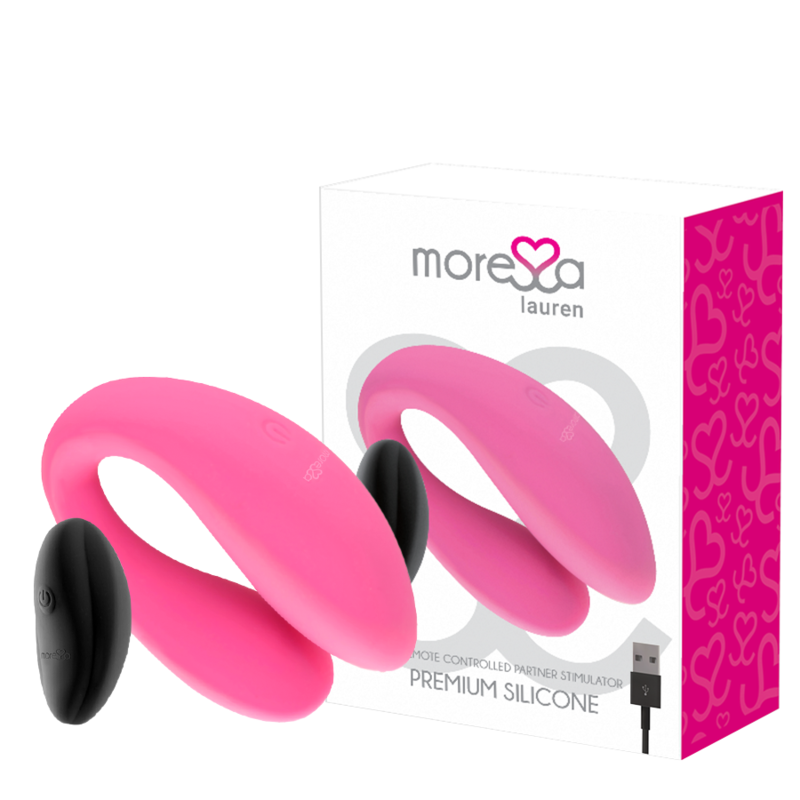
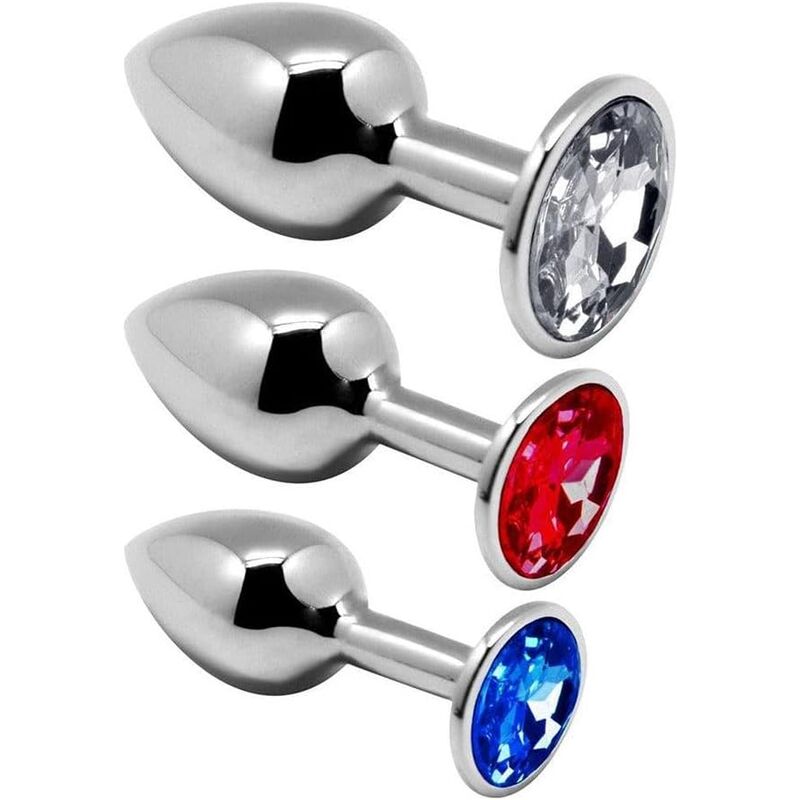
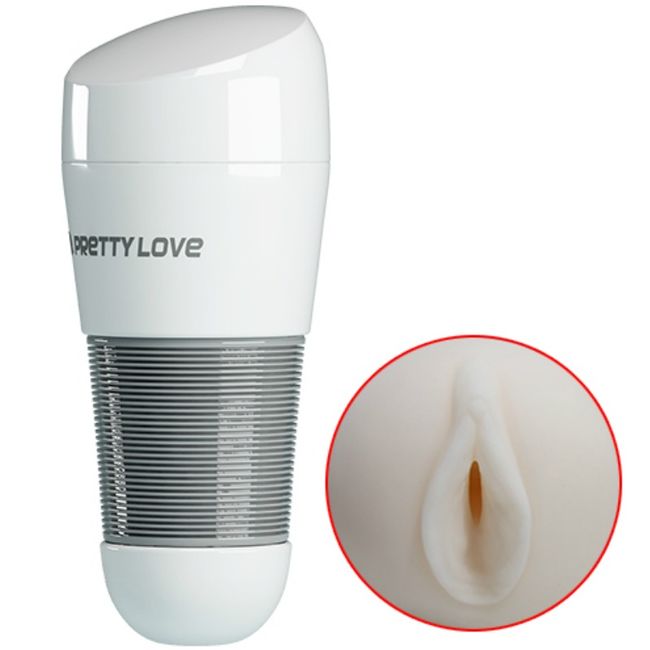
Photographs help identify the product, but the decision should be based on measurements, material, variants, contents and documented features. Start by ruling out what clearly doesn't fit and then compare a small group of candidates. Reviewing three or four product pages calmly is usually more useful than jumping between dozens of products without a defined criterion.
Don't forget everyday aspects. Ease of cleaning, the space it takes up, how to store it, the charging system if it has one, or the compatibility stated by the manufacturer can be as important as the feature highlighted in the product presentation.
Common mistakes when comparing options
A common mistake is interpreting "more" as "better": more modes, larger size, more accessories or a more complex presentation do not guarantee the product will suit you better. Another mistake is buying solely based on price without checking what each listing includes or what variants are available.
It's also wise to separate general recommendations from verifiable facts. Guides can help you ask better questions, but specific information about composition, use, maintenance, warnings or compatibility should come from the product page, the labelling or the manufacturer's instructions.
Use, care and documentation
Keep the instructions and follow the manufacturer's recommendations for cleaning, storage, charging or maintenance where applicable. Preparing cleaning and storage in advance avoids improvisation and helps preserve the product better. If you share an item or use it in different ways, follow the hygiene and compatibility guidelines that correspond to the material and specific use.
The best purchase is the one you understand before you receive it: you know what you've chosen, what it includes, how to maintain it and what its limitations are. Use this guide as a map, and treat each product page as the final source when deciding.
What to keep in mind
- Ease doubts and nerves when starting.
- Choose user-friendly, simple formats.
- Build confidence gradually.
Quick checklist before buying
- Choose simple sizes and functions.
- Start with short sessions.
- Stop if something isn't comfortable and readjust.
Frequently asked questions
How do I narrow down options in a large category?
Start with subcategory or intended use, apply filters and then compare a small group of product pages.
Is the photograph enough to compare size?
No. Use the measurements indicated on the product page whenever they are available.
How to use this guide to choose better?
Use it to define comparison criteria and then confirm the specific features on the product page and in the manufacturer's instructions.
What should I do if two products seem the same?
Compare measurements, materials, variants, package contents, availability and any documented function that is relevant to you.